

(And How to Make Sure Your Dispensary Shows Up Where Shoppers Look)
The cannabis industry is on pace to surpass $47 billion in U.S. sales by the end of 2026, fueled by product innovation, expanding state markets, and a consumer base that now includes more than 64 million Americans. But revenue growth alone does not guarantee foot traffic for individual dispensaries. The brands and retailers pulling ahead this year share two things in common:
- they stock the products today’s shoppers actually want,
- and they show up in the places those shoppers look first.
From fast-acting nano gummies commanding premium prices to THC beverages riding the sober-curious wave, 2026’s product trends are reshaping what dispensary shelves look like and how consumers discover them. Below, we break down the five product categories driving demand this year and the digital visibility strategies that connect trending inventory to high-intent buyers ready to walk through your door.
5 Trends at a Glance
| Trend | Key Stat | Dispensary Action |
| Fast-Acting Edibles | 31% price premium, 4-5x sales per SKU | Add “nano gummies” and “fast-acting edibles” to listings |
| THC Beverages | 15% YoY growth; 49% of Americans cutting alcohol | Stock a visible fridge; list “THC drinks” and “infused seltzers” |
| Wellness Products | Pain relief sales +73%, sleep +18%, focus +42% YoY | Highlight topicals, capsules, and use-case keywords like “sleep” |
| Minor Cannabinoids | $11.5B market; CBN/CBG edibles +173% dollar share | Name CBN, CBG, THCV explicitly with outcome keywords |
| Eco Packaging | 72% of cannabis consumers want sustainable options | Call out eco-friendly practices in description and photos |
1. Fast-Acting Edibles Are Commanding Premium Shelf Space
The technology driving demand
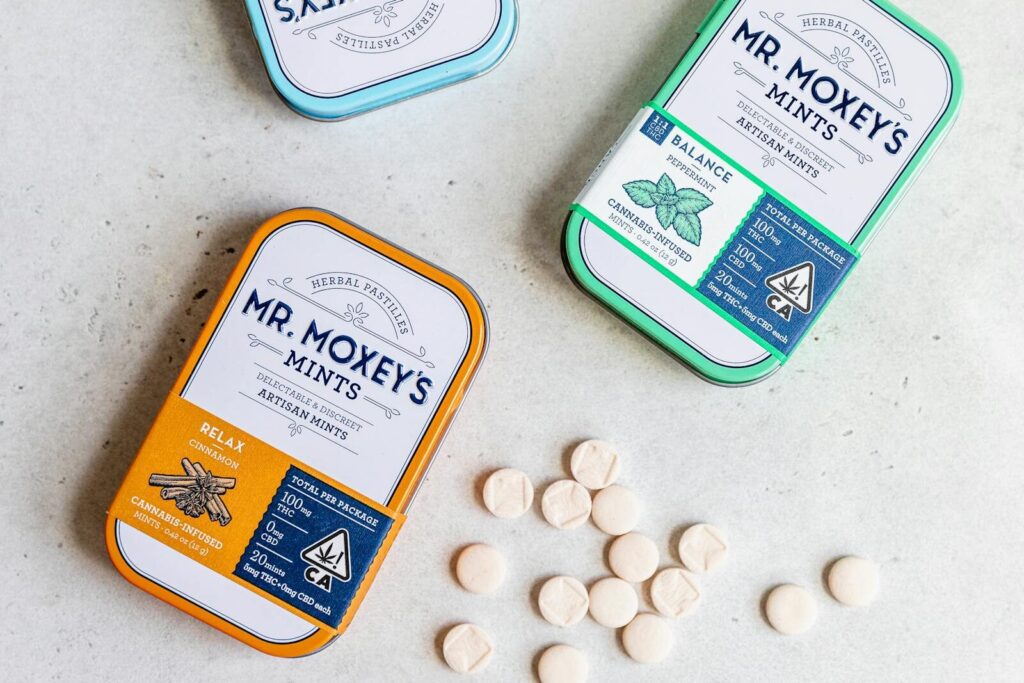
Quick-onset gummies and chews are no longer a novelty. Built on nano-emulsification technology that shrinks THC particles down to the 10 to 100 nanometer range, fast-acting edibles deliver onset in roughly 5 to 20 minutes instead of the traditional 30 to 90 minute wait.
That predictability is exactly what today’s cannabis consumer wants, and the willingness to pay for it proves the point.
31% Price Premium
Consumers willingly pay 31% more for fast-acting gummies over traditional edibles
(BDSA/Azuca, 2025)
The commercial impact
Fast-acting gummies generate 4 to 5 times more sales per SKU than traditional non-mood-specific gummies. Brands that carry them rank over 100 positions higher in BDSA’s national dollar sales rankings than those without.
Dispensaries stocking names like Wana Brands, Wyld, Kiva Confections, and Select Nano Bites are seeing repeat-purchase loyalty spike. Baskets containing one fast-acting product are six times more likely to include a second.
The overall U.S. edibles market sits at $4.3 billion according to BDSA, with the global cannabis edibles market projected to reach $16.62 billion by 2030. If your shelves do not include fast-acting edibles, you are leaving premium revenue on the table.
How to show up for this search
Make sure shoppers can find your fast-acting edibles online. Niche cannabis directories like us at CannaMapr give your dispensary a free, always-on listing where high-intent buyers are already browsing. Include terms like “fast-acting edibles,” “nano gummies,” and “high-dose edibles” in your description so directory users searching for these products land on your page.
2. THC Beverages Are Riding the Sober-Curious Wave
Cannabis-infused drinks are the fastest-growing product segment in the industry by percentage, posting 15% year-over-year growth in dispensary channels according to BDSA. The broader opportunity is even larger: the hemp-derived THC beverage segment reached an estimated $4.6 billion in 2025, with Michigan beverage sales surging 112% year-over-year and Ohio posting 79% growth.
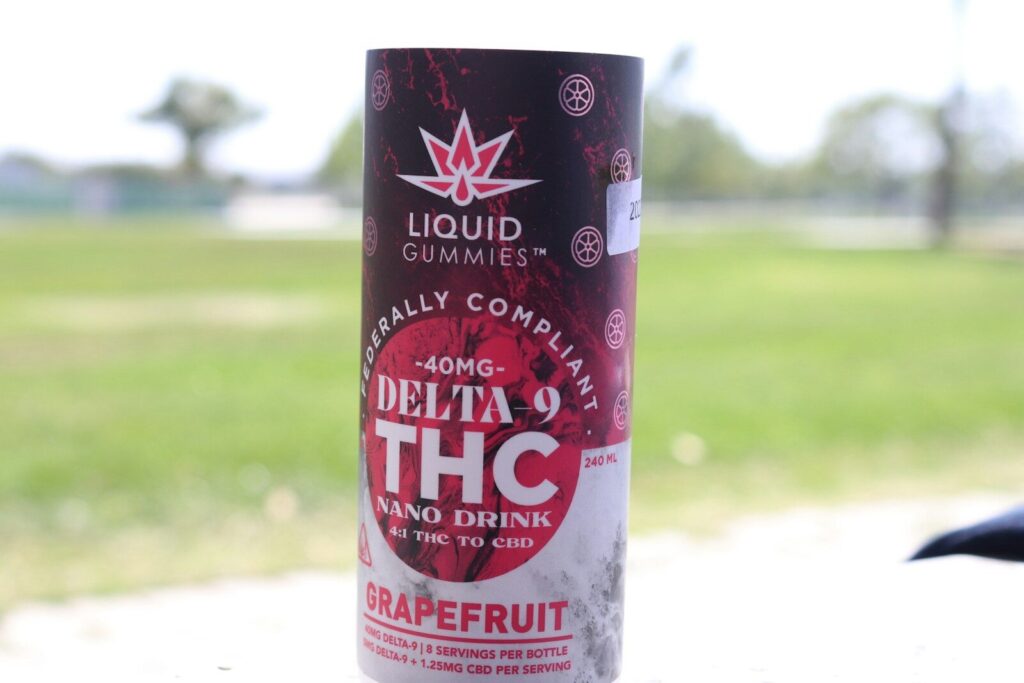
The tailwind behind this growth is cultural. An NCSolutions survey of over 1,000 adults found that 49% of Americans plan to drink less alcohol, a figure that jumped 44% since 2023. Among Gen Z, 65% plan to cut back and 38% say they plan to try cannabis beverages. THC seltzers, functional tonics, and infused sodas are filling the gap left by declining alcohol consumption, positioned as social, smoke-free, and dose-controlled.
Brand consolidation is accelerating. The top 10 beverage brands now capture 64% of category sales, up from 52% a year ago. At a Minnesota Top 10 Liquor location, THC drinks already represent 10% of total sales and are expected to double by 2026. Functional ingredients are a major differentiator. Brands are blending THC with adaptogens like lion’s mane, ashwagandha, and L-theanine to create mood-specific tonics for calm, focus, energy, and euphoria. Flavor innovation leans toward craft-cocktail profiles and nostalgic sodas alike. For dispensaries, stocking a visible beverage fridge and calling out your drink selection online is quickly becoming a competitive necessity.
3. Wellness Products Are Outpacing Traditional Categories

The fastest-growing use cases in cannabis are not about getting high. They are about pain relief, sleep, stress reduction, and recovery. BDSA data tells the story: pain relief products grew 73% in sales year-over-year, sleep products climbed 18% in sales and 27% in units, focus products rose 42%, and relaxation products increased 34%.
This shift is reflected in how products are formulated and marketed. Topicals are projected to grow at a 10.5% compound annual growth rate through 2029, with roughly 60% of topical consumers citing pain relief as their primary motivation. CBD-infused bath bombs saw U.S. sales increase over 27% in 2024. Dissolvable powders have emerged as a standout format, with Ripple holding the number one position in Colorado’s tincture and sublingual category. Capsules, tablets, and bath products round out a wellness-forward portfolio that resonates with consumers who may never buy flower but will gladly spend on a sleep formula or recovery topical.
About 50% of edible consumers cite better sleep as a key benefit, and 14% of users now incorporate cannabis into exercise routines for energy, focus, or post-workout recovery. For dispensaries, expanding beyond flower and vapes into wellness formats is not just a nice-to-have. It is a revenue strategy backed by data.
4. Minor Cannabinoids Are Moving From Niche to Essential

CBN, CBG, and THCV have graduated from curiosity to commercial driver. The U.S. minor cannabinoids market was estimated at $11.5 billion in 2023 with a projected 15% compound annual growth rate through 2030, and BDSA tracked 173% growth in dollar share for CBN/CBG edible products from Q2 2021 to Q2 2023.
CBN has become synonymous with sleep. Wyld’s CBN Marionberry Indica gummies generated approximately $25 million in sales across four states, and Kiva’s Camino Midnight Blueberry posted roughly $15 million. Research published in Sleep Medicine Reviews in 2025 confirmed that cannabinoids like CBN can improve sleep quality, reinforcing the marketing claims that are already resonating with consumers.
CBG is carving out the focus and energy lane. THCV holds a 25.9% revenue share of the minor cannabinoids market and commands two to three times standard cannabis pricing due to scarcity, with brands positioning it for energy and appetite management. Consumer awareness is growing: CBG familiarity rose from 8% in 2019 to 13% in 2021, and 24% of regular consumers now report using CBG products.
BDSA predicts consumers will increasingly search by minor cannabinoid content rather than the traditional indica, sativa, or hybrid classifications. Dispensaries that educate budtenders and feature these products prominently will capture shoppers who already know what they are looking for.
Spell it out for search. In your CannaMapr listing description, name “CBG,” “CBN,” and “THCV” explicitly and tie them to outcomes like focus, sleep, or functional cannabis. Add photos of product packaging that clearly shows these minor cannabinoids so directory shoppers can spot them at a glance.
5. Eco-Friendly Packaging Is Becoming a Baseline Expectation
A single gram of cannabis generates an average of 70 grams of packaging waste, and the industry used nearly one billion pieces of single-use plastic in 2020 alone. Consumers have noticed. Surveys show 72% of cannabis consumers want sustainable packaging, and 65% say they would pay extra for eco-friendly options. Broader consumer data supports this: a PwC 2024 survey of 20,000+ respondents found 80% willing to pay an average of 9.7% more for goods meeting sustainability criteria.
Regulation is catching up to consumer sentiment. New York now requires cannabis packaging to contain a minimum 25% post-consumer recycled content, and California’s SB 54 launches its Extended Producer Responsibility program in January 2027, targeting 25% plastic source reduction and 65% recycling rates by 2032. The cannabis packaging market overall is valued at $1.99 billion in 2025 and projected to reach $4.07 billion by 2030. The cost gap is narrowing too. Switching from Mylar to biodegradable alternatives adds only 10 to 15 cents per bag.
For dispensaries, sustainability is not just an ethical stance. It is a brand differentiator that influences purchase decisions, especially among younger consumers. Brands like Silly Nice, Trulieve, and Sana Packaging are already proving the concept, and dispensaries that call out their eco-friendly practices stand out in a crowded market.
Where Do Shoppers Actually Find Dispensaries in 2026?
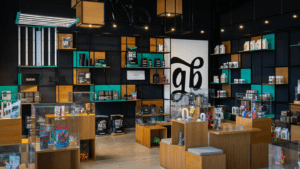
Roughly 60% of cannabis consumers begin their shopping journey with an online search, and over 85% of dispensary website traffic comes from mobile devices. The search term “dispensary near me” alone generates over 131,000 monthly Google searches on desktop, with total volume across all variants exceeding one million monthly searches in legal markets.
The commercial impact is immediate. Research shows that 76% of people who search for dispensaries online visit a physical store within 24 hours. Google Business Profile is the single most critical digital asset, with businesses that have complete profiles being 70% more likely to attract visits. For some dispensaries, their Google listing drives upwards of 40% of total revenue. Reviews matter too: dispensaries with fewer than 50 reviews consistently struggle to rank in the local pack, while top results in major metros often have 200 or more.

But Google alone is not enough. Online menus and e-commerce are now core decision-making infrastructure. Seven in ten cannabis consumers consider digital tools like online menus essential to shopping. Online orders carry a 35% higher average order value and 44% larger cart sizes than walk-ins. Sweed projects online ordering will surpass one-third of all cannabis revenue in 2026. Dispensaries using iFrame menus from third-party platforms are invisible to Google for product-specific queries, creating a significant SEO disadvantage.
Beyond Google and social, niche cannabis directories give you a free, always-on shelf where high-intent shoppers are already browsing. A complete profile with a detailed description, accurate categories, quality photos, and fresh reviews helps you surface when nearby customers search for specific products like fast-acting edibles or THC seltzers. Consistent NAP data across directories is a well-documented local SEO ranking factor.
The Bottom Line for Dispensaries in 2026
The dispensaries winning market share this year are not just following product trends. They are making sure the right shoppers can actually find them. Stocking fast-acting edibles, THC beverages, wellness-focused topicals and capsules, minor cannabinoid formulations, and sustainably packaged products puts you in line with where consumer demand is heading. But inventory only drives revenue if buyers know it exists.
That means optimizing your Google Business Profile, keeping your online menu current and natively indexed, and claiming your free listing on cannabis-specific directories. Every touchpoint that matches a shopper’s search query with your actual product selection is a chance to convert a screen tap into a store visit.
Your products tell the story. Your digital presence gets it heard.