
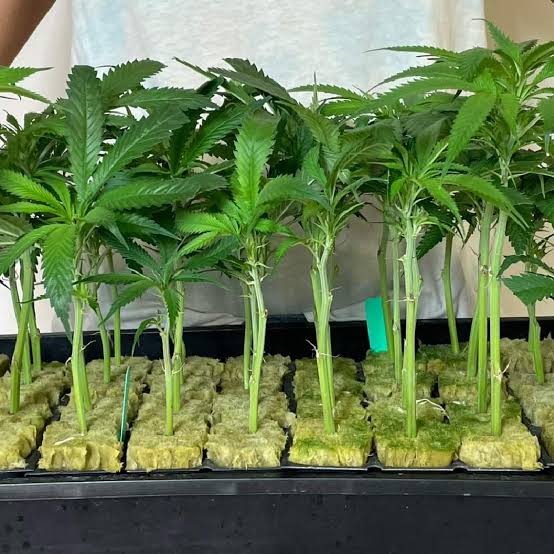
For growers working in grow tents, closets, or balconies, choosing compact cannabis strains means comparing breeder-reported indoor height, plant type, and expected stretch so the canopy fits below the lights with room for airflow. The picks below all carry breeder-reported indoor heights at or under 90 cm, with one autoflower option topping out around 50 cm.
| Strain | Breeder-reported indoor height | Type |
|---|---|---|
| LSD (Herbies Seeds) | Around 60 cm | Feminized photoperiod |
| Mimosa Shot | About 80 cm | Feminized photoperiod |
| Do si Dos (Herbies Seeds) | Around 90 cm | Feminized photoperiod |
| Blueberry Fast Version | Around 90 cm | Feminized fast version |
| Big Bud Auto (Herbies Seeds) | 50 to 90 cm | Autoflower |
| Blueberry Autoflower | 70 to 90 cm | Autoflower |
| LSD Autoflower | 90 cm | Autoflower |
The figures above are breeder-reported estimates, not promised results. Product descriptions can vary, and actual height and THC depend on genetics, growing conditions, and other factors.
What makes a strain compact
Genetics and breeding
Plant structure is shaped by genetics. Indica-dominant varieties are often described as shorter and bushier, while some sativa-dominant varieties can stretch more. These are broad patterns, not reliable predictions for every plant, so check the breeder’s indoor height range and strain-specific notes.
Breeders may also select for short internodes, meaning less stem length between branches. That structure can help keep a canopy lower and more even. The stated height still needs context: the final plant must fit with its container, light, and required clearance inside the tent.
Autoflowers tend to stay smaller
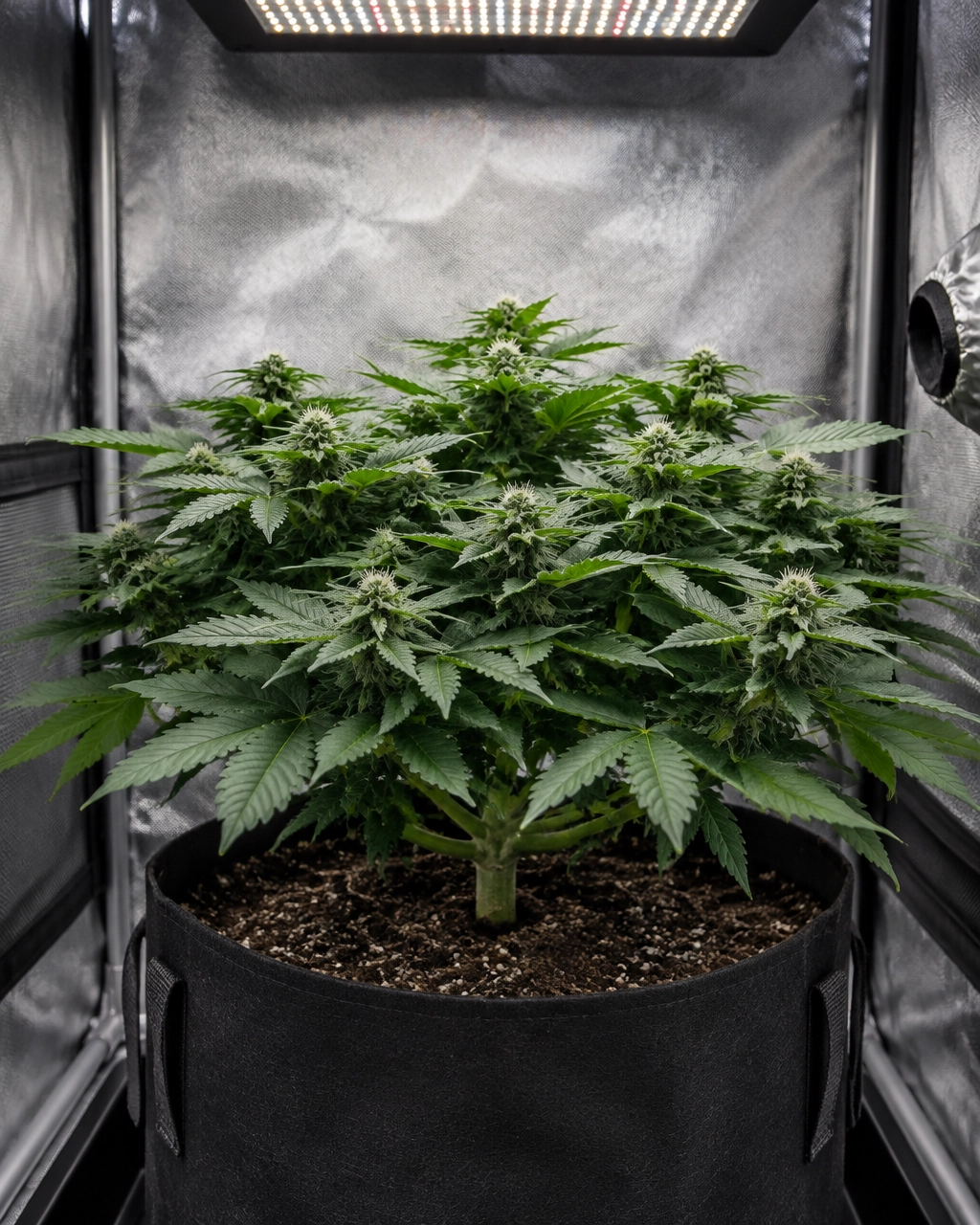
Autoflowering genetics often have a shorter life cycle and may stay more compact than photoperiod varieties. Their flowering schedule is primarily age-based, while photoperiod plants respond to changes in light exposure. Height still differs between varieties and growing conditions, so confirm the breeder’s size range before choosing.
Photoperiod plants offer more control over vegetative growth because the grower determines when flowering begins. That can help manage plant size, though plants may stretch after flowering starts. A small-space setup needs enough vertical room for that growth.
Compact strain picks
CannaMapr may earn a commission from qualifying purchases made through partner links, and this does not change the criteria used.
LSD (Herbies Seeds)
LSD is the shortest pick on the list, topping out around 60 cm indoors according to the breeder. That leaves usable headroom in most standard tents. It suits growers who want a low profile plant with a well-known name behind it.
Mimosa Shot
Mimosa Shot reaches about 80 cm indoors and carries a breeder-reported 30% THC. That pairing of a tent-friendly height with the highest THC figure on this list is the headline stat of the post. Growers chasing potency in a small space should compare it against the shorter options first.
Do si Dos (Herbies Seeds)
View Do si Dos (Herbies Seeds)
Do si Dos sits around 90 cm indoors with a breeder-reported 28% THC. It is close to the ceiling of what this list considers compact, so it fits best in a taller tent or a closet with generous clearance. The potency figure keeps it competitive with the shorter picks.
Blueberry Fast Version
Blueberry Fast Version reaches around 90 cm indoors as a fast version variety. Fast version genetics keep the photoperiod growing style while shortening the overall timeline. That makes it an option for growers who want a classic strain profile without waiting a full season.
Big Bud Auto (Herbies Seeds)
View Big Bud Auto (Herbies Seeds)
Big Bud Auto spans 50 to 90 cm indoors with a breeder-reported 24% THC. The range gives it flexibility, as the low end fits very small tents while the high end still clears most setups. As an autoflower it also skips the light schedule changes a photoperiod plant needs.
Blueberry Autoflower
Blueberry Autoflower runs 70 to 90 cm indoors. It pairs the Blueberry name with autoflowering genetics, so growers get a shorter cycle in a modest footprint. Check the reported height against the tent’s usable space before ordering.
LSD Autoflower
LSD Autoflower tops out around 90 cm indoors. It takes the compact height of the original LSD and adds the autoflowering trait, which removes the need to manage light schedules. For a tight tent or balcony setup that combination keeps planning simple.
A note on Mimosa Shot
Headline stat: Mimosa Shot reaches about 80 cm indoors with a breeder-reported 30% THC.
That pairing is the reason Mimosa Shot earns its own callout here. Most strains at that potency level are bred for larger indoor spaces. Treat the 30% figure as a breeder-reported estimate, not a guaranteed test result.
Practical tent fit tips
Measure the usable height
Measure from the floor of the tent to the point where the light will hang. Subtract the container height, the distance needed between the light and canopy, and extra space for adjustment and airflow. The remaining measurement is the approximate plant height the setup can accommodate.
“A strain’s advertised height is one measurement. Usable canopy height also depends on the container, light position, and clearance.”
Plan for stretch and lighting
Plants may grow taller after flowering begins, particularly photoperiod varieties. Check strain-specific notes about stretch and leave a margin below the maximum listed height. A plant that fits the tent early in its cycle may need more room later.
The light also takes up vertical space. Account for its body, hanging hardware, and the distance recommended by the light manufacturer. If the fixture must be raised close to the tent ceiling, the plant has less room than the tent’s full advertised height suggests.
Keep air moving
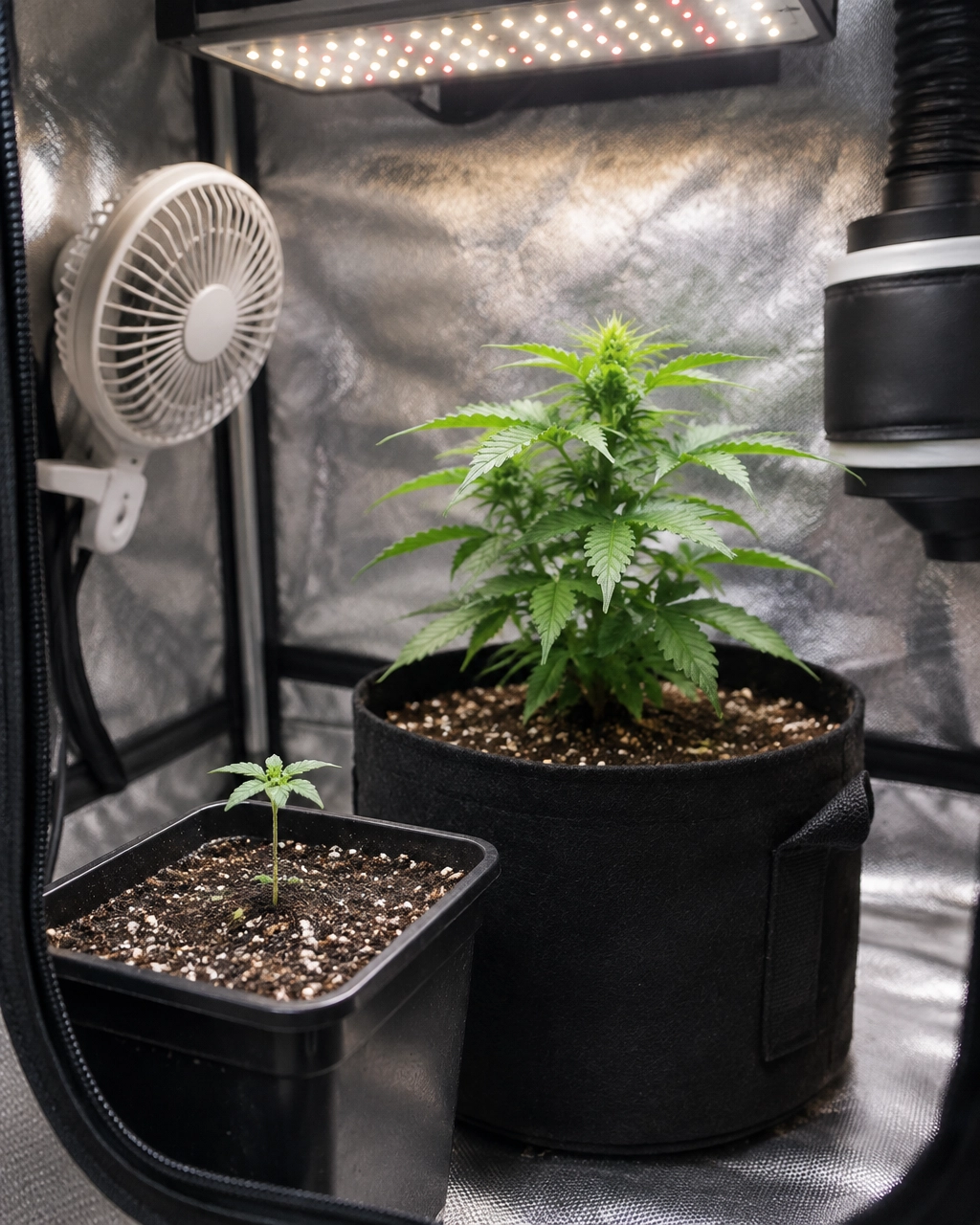
A crowded canopy can restrict air movement around leaves and growing medium. Leave space between plants and tent walls where possible, and make room for the fan and exhaust equipment when planning the layout. Ventilation equipment needs space too, so include it in the initial measurements.
Match plant type to your available control
Autoflowers can suit growers who want a shorter cycle and often smaller plant size. Photoperiod varieties provide more control over the vegetative period. Compare the strain’s reported height, type, and flowering information with the actual dimensions and equipment in the space.
For more detail on comparing seed types, breeders, shipping terms, and guarantees, read The Complete Guide to Buying Cannabis Seeds. Growers comparing sellers can also review CannaMapr’s cannabis seed bank directory.
Cannabis seed legality varies by state and country. Check local laws before buying, receiving, germinating, or growing seeds. This article is general information and is not legal advice.
Action checklist
- Measure the grow space, including the usable height beneath the light.
- Check the breeder’s indoor height range and look for conflicting product details.
- Favor autoflowers for tight setups, after checking the selected variety’s reported size.
- Plan for plant stretch, light clearance, ventilation equipment, and airflow.
- Verify local legality before buying, receiving, germinating, or growing seeds.
- Check the seller’s germination guarantee and shipping terms before ordering.
Want to see more CannaMapr articles? Follow CannaMapr on Google to choose CannaMapr as a preferred source. After confirmation, future CannaMapr articles may appear more often for that reader in Top Stories, AI Overviews, and AI Mode.
