
A dispensary is a licensed retail establishment where consumers can legally purchase cannabis products, including flower, edibles, concentrates, and tinctures. The term has roots in formal medicine but has taken on a broader meaning as cannabis legalization has expanded across North America.
This guide covers the full dispensary definition, explains the key differences between medical and recreational options, and walks you through what to expect at a modern cannabis dispensary.
QUICK REFERENCE
| Dispensary Type | Products Sold | Entry Requirement |
| Medical Dispensary | Flower, edibles, tinctures, concentrates for qualifying patients | Medical marijuana card required |
| Recreational Dispensary | Flower, edibles, concentrates, topicals for adults 21+ | Valid government-issued ID |
| CBD Shop | Hemp-derived CBD oils, tinctures, topicals, edibles (low THC) | No requirement |
| Smoke Shop | Tobacco products, pipes, vaporizers, rolling accessories | No requirement |
The Dispensary Definition and Where the Word Comes From

Definition
The word “dispensary” traces back to the Latin “dispensaria,” which means “to distribute.” For centuries, dispensaries were places where medicine was prepared and given to patients, often connected to hospitals, schools, or community health clinics.
Today, the term most commonly refers to licensed cannabis retail stores. As legalization has spread across the United States and Canada, cannabis dispensaries have become mainstream businesses subject to strict state and local regulations.
The cannabis industry has grown into one of the fastest-expanding retail sectors in the United States, with licensed dispensaries now operating under regulated frameworks in the majority of states.
Types of Dispensaries
Not every dispensary is the same. Understanding the distinctions between types helps consumers make informed choices before they visit one.
Medical Dispensaries
Medical dispensaries serve patients who hold a valid medical marijuana card. To purchase cannabis at a medical dispensary, a patient typically needs a qualifying diagnosis, a doctor’s recommendation, and state-issued certification.
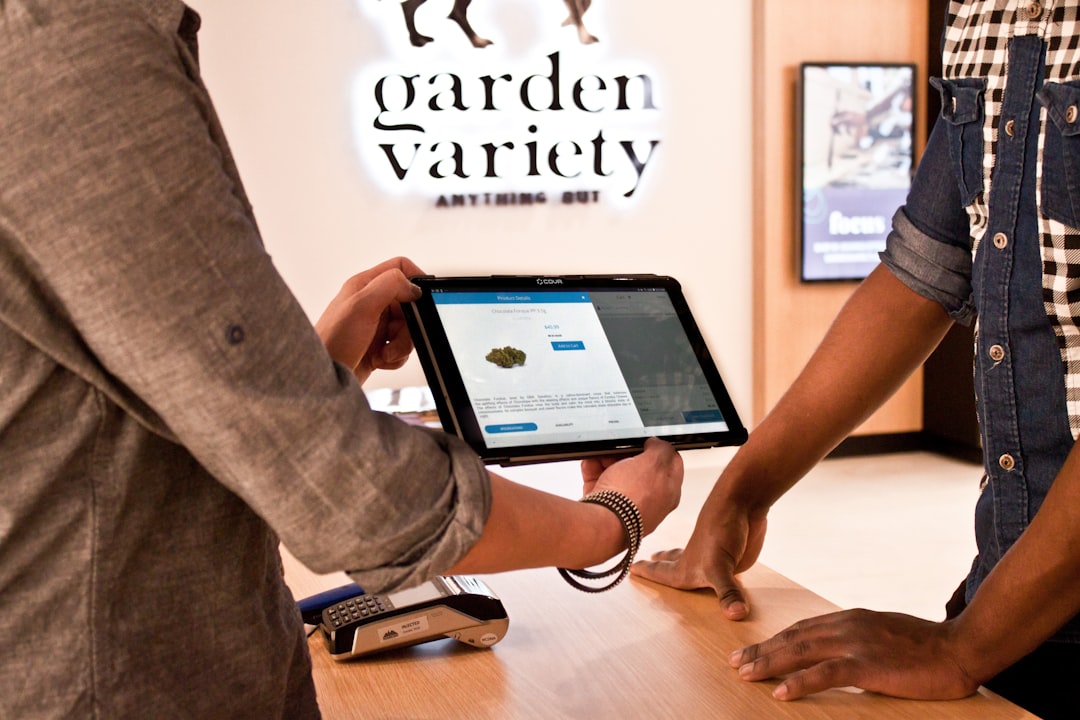
Products at medical dispensaries are often available in a broader range of potencies and formulations compared to recreational stores. Staff at these locations are usually trained to discuss specific conditions and product types in detail.
Recreational Dispensaries
Recreational dispensaries, also called adult-use stores, allow anyone 21 or older to purchase cannabis with a valid government-issued ID. No medical marijuana card is required, which makes recreational use accessible to a much wider population.
Many states that have legalized adult-use cannabis also permit licensed dispensaries to serve both medical patients and recreational consumers under the same license, often called a dual-use model.
COMPARISON: MEDICAL VS. RECREATIONAL
| Factor | Medical Dispensary | Recreational Dispensary |
| Card required | Yes | No |
| Age minimum | Varies (often 18+) | 21+ |
| Tax rates | Often lower | Higher |
| Purchase limits | Higher daily limits | Standard limits |
| Product access | Broader potency range | Standard inventory |
CBD Shops
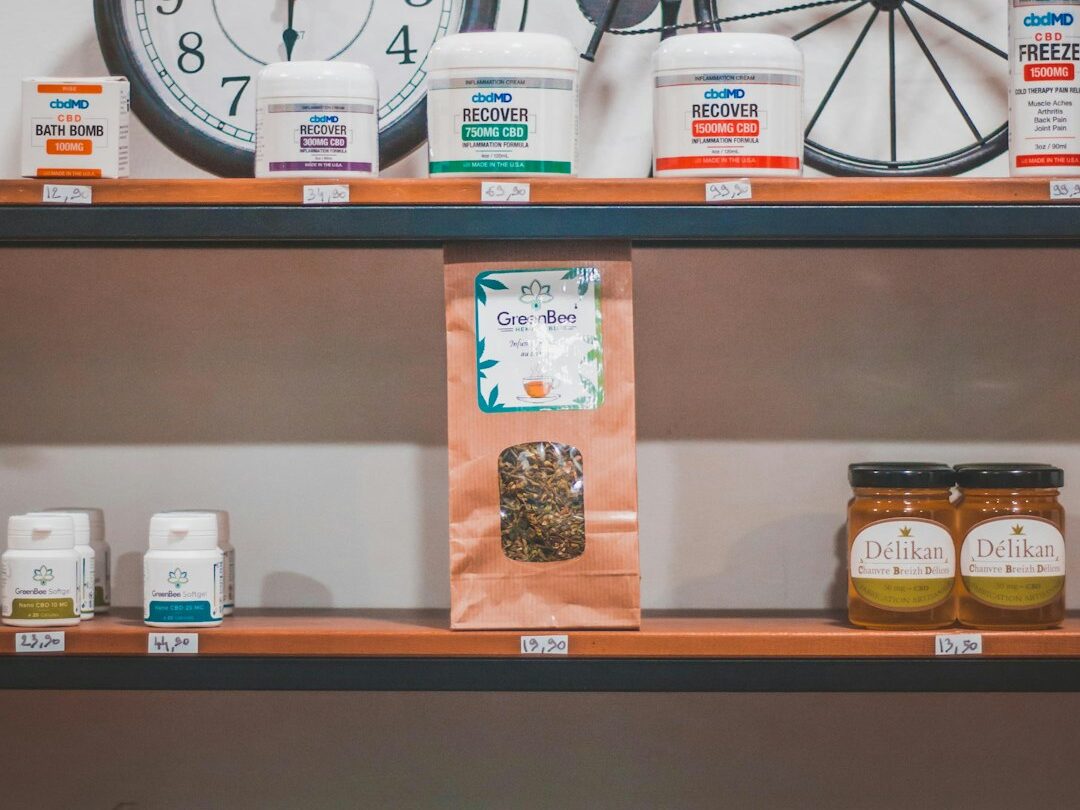
CBD shops focus on hemp-derived products that contain little to no THC, the compound responsible for the psychoactive effects of cannabis. These stores sell CBD oils, tinctures, topicals, and edibles that are legal in most states without a prescription or ID requirement.
CBD shops are distinct from marijuana dispensaries in both inventory and legal status. Consumers looking for wellness-focused cannabis products without intoxicating effects often start with a CBD shop as an accessible entry point.
Smoke Shops
Smoke shops primarily carry tobacco products, pipes, rolling papers, and vaporizers. Some sell cannabis accessories, but they do not sell cannabis products themselves and are not a legal source for purchasing cannabis.
Smoke shops operate under different licensing rules than cannabis dispensaries, and the two types of establishments serve distinct roles within the broader cannabis market.
What Cannabis Dispensaries Sell
Licensed dispensaries carry a wide range of cannabis products, typically organized by consumption method. Understanding product categories before you visit helps you make faster, better-informed decisions.
Common product categories include:
- Flower (dried cannabis)
- Pre-rolls
- Edibles (gummies, chocolates, beverages)
- Concentrates and extracts
- Tinctures
- Topicals (creams, patches)
- Vape cartridges
Products are labeled by cannabinoid content, including THC and CBD percentages, so consumers can make informed choices based on their desired effects and tolerance levels.
Edibles and concentrates are among the fastest-growing product segments at dispensaries, with sales increasing year over year as consumer preferences continue to evolve beyond traditional flower.
Do You Need a Medical Marijuana Card?
At a recreational dispensary, no medical marijuana card is required. A valid government-issued ID proving you are 21 or older is sufficient to purchase cannabis products.
At a medical dispensary, you will need both a state-issued medical marijuana card and a qualifying condition on file with the state. Getting a card typically involves a consultation with a licensed physician and a state registration fee.
Medical cardholders often enjoy lower tax rates and higher purchase limits compared to recreational consumers. For patients using cannabis regularly, the card process is usually worth the upfront investment in time and cost.
How to Choose a Licensed Dispensary
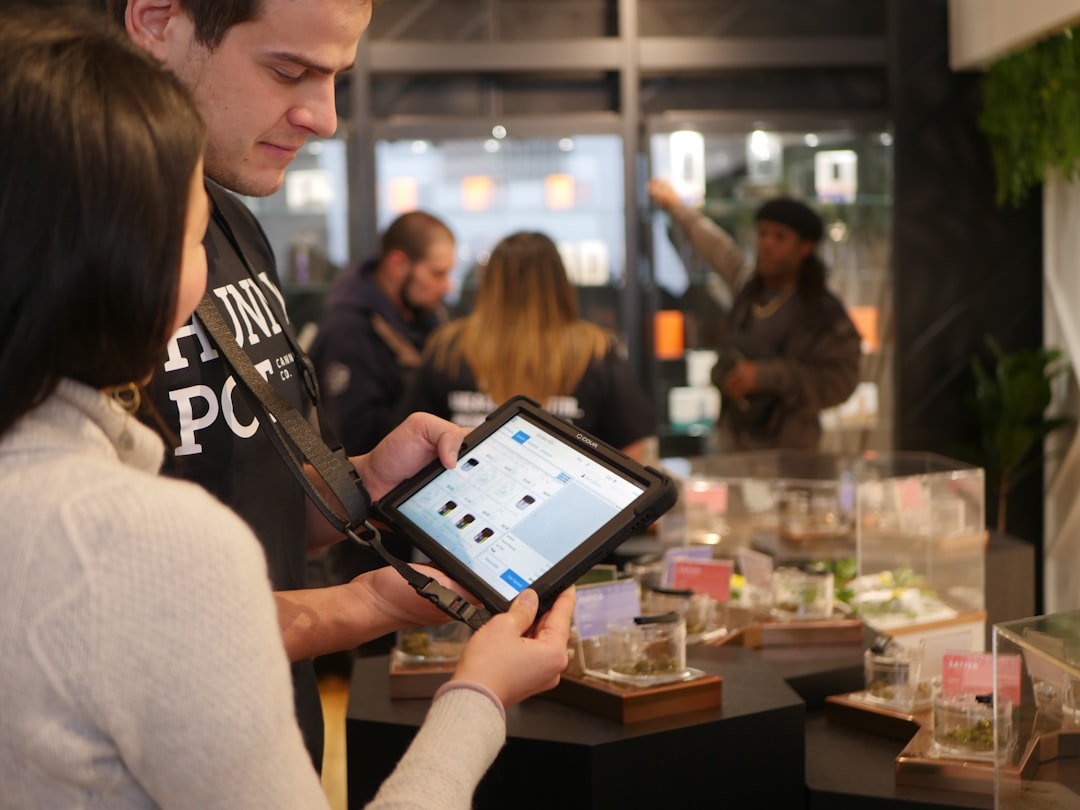
When evaluating cannabis dispensaries, several factors are worth considering before your first visit.
Product selection: Look for dispensaries with a broad inventory that includes multiple product types and consumption methods.
Staff knowledge: Knowledgeable budtenders can help match products to your needs and explain the differences between THC and CBD ratios.
Licensing and compliance: Verify that the dispensary holds a current state license. Licensed dispensaries must meet testing and labeling requirements that protect consumers.
Customer reviews: Reading verified reviews helps identify consistent quality and service standards across locations.
Location and convenience: Proximity, parking, and hours all matter, especially for medical patients who visit on a regular schedule.
Finding verified dispensaries in your state is easier with a dedicated directory. Browse cannabis dispensaries on CannaMapr to compare listings, check locations, and find verified businesses near you.
How Dispensaries Impact Local Communities
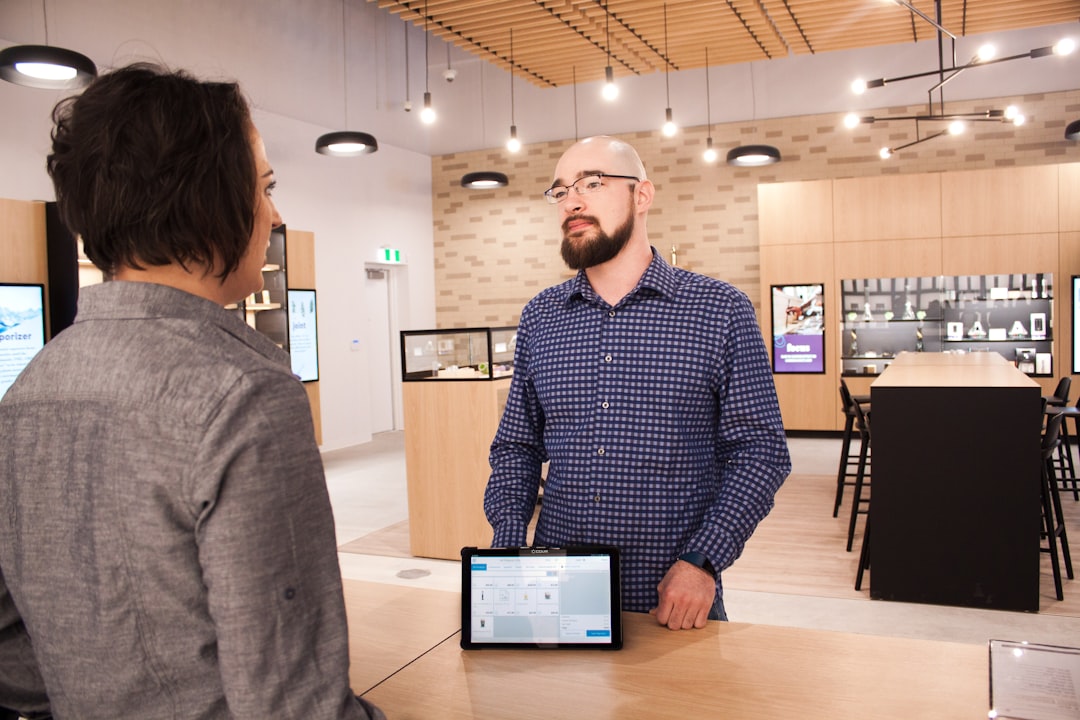
Popular Related Word Entries in the Dictionary
Cannabis dispensaries contribute to local economies by creating jobs, generating tax revenue, and providing regulated access to products that were previously available only through unregulated channels.
Research suggests that well-managed dispensaries can improve public safety outcomes by reducing unregulated street-level cannabis sales in nearby areas. They also serve an educational function, helping consumers understand how to use cannabis responsibly.
At the same time, dispensary operations involve ongoing conversations about zoning, proximity to schools, and community standards. Residents and business owners often engage with local government to shape how these businesses are permitted and operated.
How Dispensary Regulations Vary by State
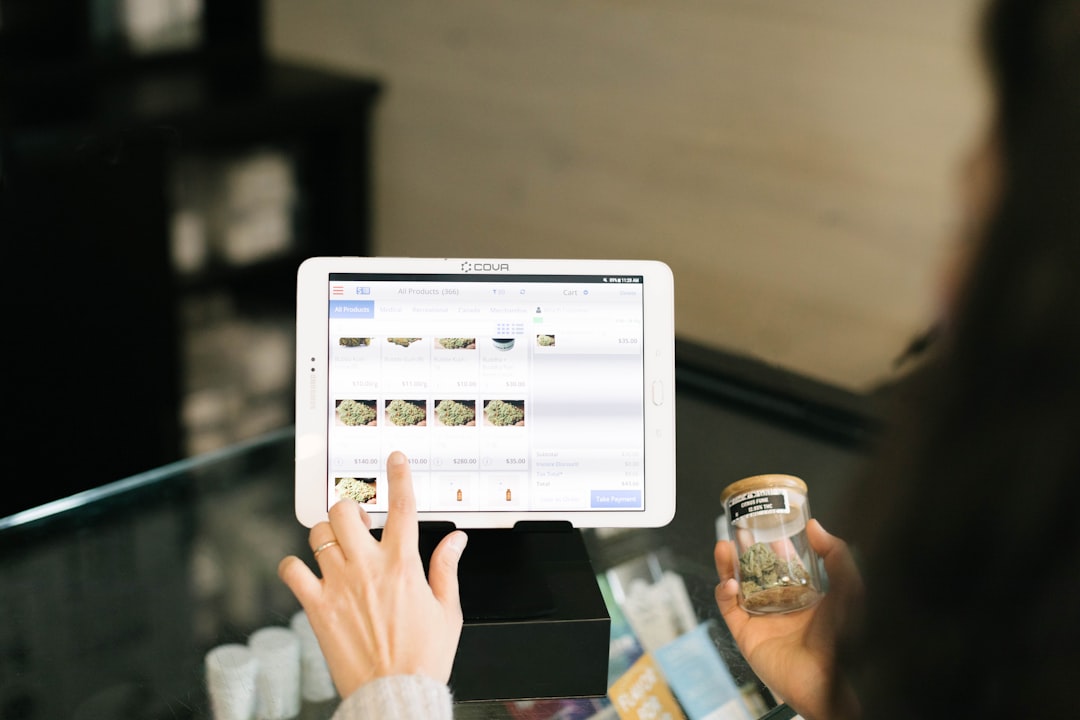
Choosing a Dispensary
Cannabis laws in the United States remain a patchwork. Some states permit both medical and recreational sales, while others allow only medical dispensaries to operate or prohibit cannabis sales entirely.
Regulations govern everything from store hours and packaging requirements to how dispensaries can advertise and which cannabis products they are permitted to sell. Consumers should always verify local laws before attempting to purchase cannabis, especially when traveling across state lines.
For the most current state-by-state information, the Marijuana Policy Project maintains an up-to-date resource on cannabis legalization status across all 50 states.
Before You Visit a Dispensary: Quick Checklist
- Confirm the dispensary holds an active state license
- Check if you need a medical marijuana card or just a valid photo ID (21+)
- Review the dispensary’s online menu before you arrive
- Bring a government-issued photo ID and your medical card if applicable
- Ask staff about THC and CBD ratios if you are new to cannabis products
- Start with lower-potency options if you are visiting for the first time
